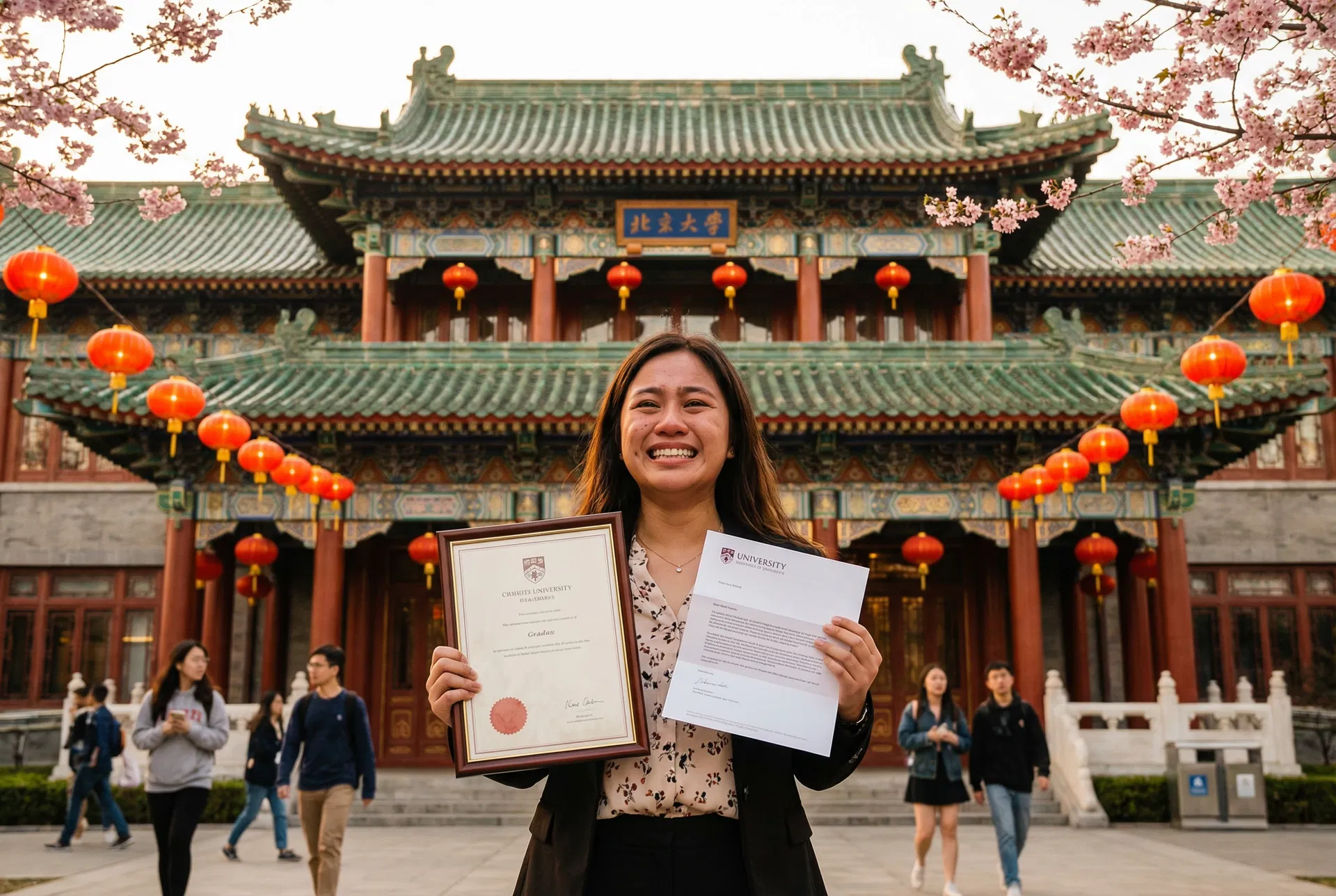
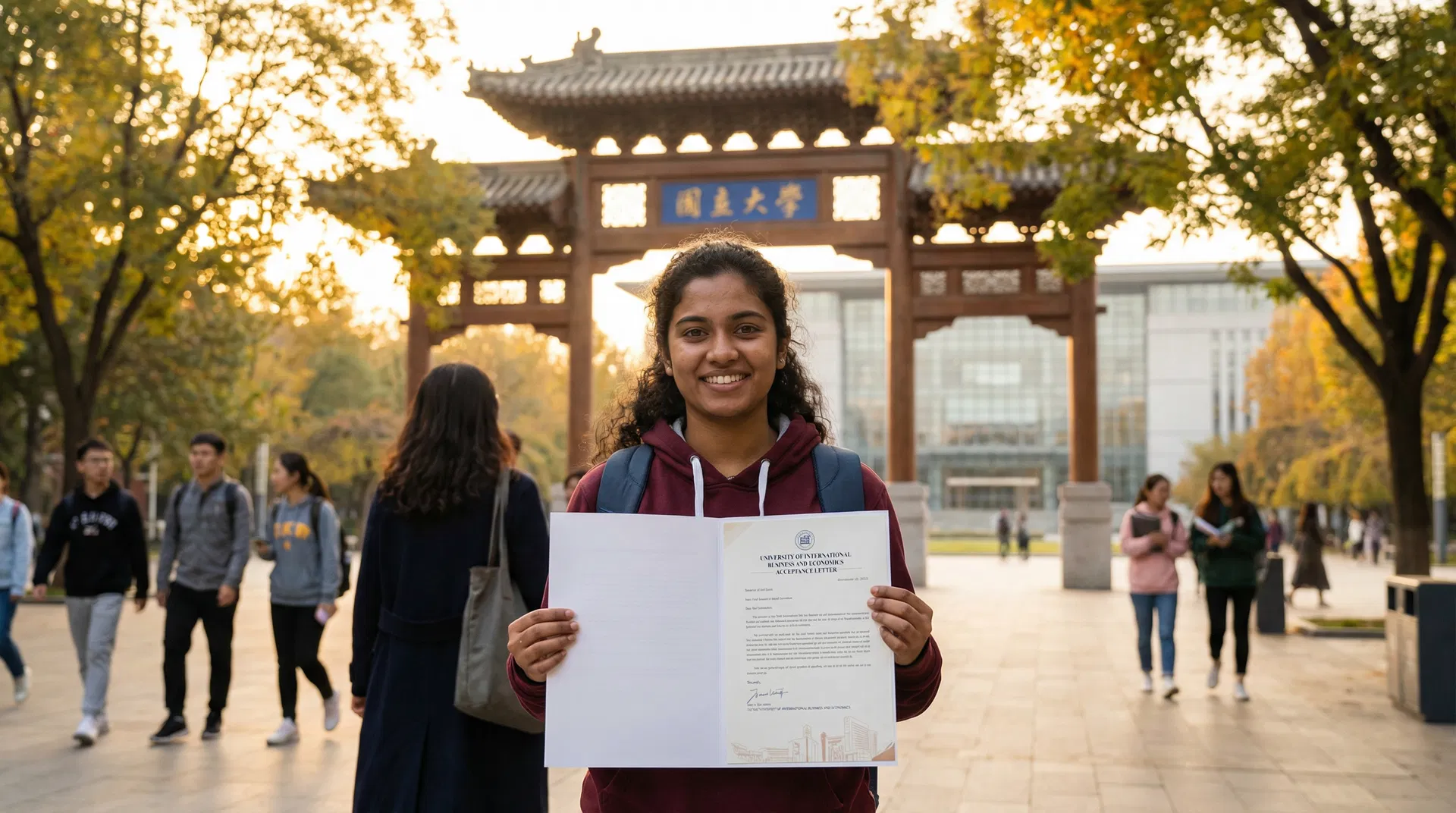
Every year, tens of thousands of international students arrive in China on full scholarships — tuition waived, accommodation covered, and a monthly living stipend deposited straight into their bank accounts. If you have been wondering whether studying in China for free is actually possible, the answer is a resounding yes. The Chinese government, through the China Scholarship Council (CSC) and a network of partner institutions, administers one of the world's most generous scholarship ecosystems. This guide walks you through ten distinct programs, explains exactly what each one covers, and tells you how to apply.
# Watch: An Overview of China Government Scholarships
Before diving into the details, this video gives you a clear visual introduction to how the Chinese Government Scholarship system works, who it is designed for, and what life looks like on a fully-funded program.
# 1. Chinese Government Scholarship — Bilateral Program
The flagship program, commonly known as the CGS Bilateral, is administered through bilateral agreements between China and individual countries. It covers undergraduate, master's, doctoral, and visiting scholar categories.
What it covers:
- Full tuition waiver
- Free on-campus accommodation or a housing subsidy
- Monthly stipend: ¥2,500 (undergraduate), ¥3,000 (master's / general scholar), ¥3,500 (doctoral / senior scholar)
- Comprehensive medical insurance (¥800/year)
Who can apply: Non-Chinese nationals who are in good health. Undergraduates must be under 25 with a high school diploma; master's applicants under 35 with a bachelor's degree; doctoral applicants under 40 with a master's degree. Chinese-medium programs require the corresponding HSK level.
How to apply: Through your home country's designated sending authority — typically the Ministry of Education or the Chinese embassy/consulate. Application windows usually open between October and March for the following academic year.
# 2. MOFCOM Scholarship (CSC Program)
The Ministry of Commerce Scholarship targets government officials, researchers, and senior managers from developing countries who wish to pursue graduate studies in China. It is one of the most professionally oriented scholarships in the portfolio.
What it covers:
- Full tuition, textbooks, research, and thesis supervision fees
- Free on-campus accommodation
- One-time settling-in allowance of ¥3,000
- Annual stipend: ¥36,000 (master's), ¥42,000 (doctoral)
- Round-trip international airfare plus one family-visit flight
- Comprehensive medical insurance
Who can apply: Citizens of developing countries, under 45, with a bachelor's degree and at least three years of relevant work experience. Applicants must hold a position at the section-chief level or above, or be senior managers. English proficiency is required (IELTS 6.0 or TOEFL 80).
How to apply: Through the Economic and Commercial Counsellor's Office (ECCO) of the Chinese embassy in your country.
# 3. ASEAN-China Young Leaders Scholarship (ACYLS)
Designed to strengthen people-to-people ties between China and Southeast Asia, the ACYLS is open to working professionals from ASEAN member states who want to pursue graduate studies or short-term research in China.
What it covers:
- Full tuition waiver and single-room accommodation
- One-time settling-in allowance of ¥3,000
- Monthly stipend: ¥4,000 (master's), ¥5,000 (doctoral / research scholar)
- Round-trip airfare (within a capped amount)
- Comprehensive medical insurance
Who can apply: Citizens of ASEAN member states, under 45, with fluent English (IELTS 6.0 or TOEFL 80) and at least one year of work experience in government, academia, or a related field.
How to apply: Through your country's ACYLS National Focal Point or the ASEAN University Network (AUN) Secretariat.
# 4. CGS — Outstanding Young Scholars Program
This program is specifically designed to cultivate global governance talent — senior officials and high-level managers who are poised to take on leadership roles in international affairs. It offers a 12-month master's program, sometimes structured as a 1+1 model.
What it covers: A full scholarship equivalent to the standard CGS package — tuition, accommodation, living stipend, and medical insurance.
Who can apply: Non-Chinese nationals under 45 with at least a bachelor's degree and three or more years of relevant experience. A pre-admission letter from a participating Chinese university is required.
How to apply: Directly through the China Scholarship Council (CSC) via its online application system. This is one of the few programs where individuals can apply without going through an intermediary government body.
# 5. CGS — University-Nominated Program
Rather than applying through a government channel, this track allows Chinese universities themselves to nominate and recruit international students using a quota of CGS-funded places. Many top-ranked institutions — including Peking University, Tsinghua, Fudan, and Zhejiang University — participate.
What it covers: Identical to the standard CGS package: tuition, accommodation, stipend (¥2,500–¥3,500/month depending on level), and medical insurance.
Who can apply: Anyone who meets the basic CGS eligibility criteria and satisfies the admissions requirements of the specific university.
How to apply: Directly through the admissions office of the participating Chinese university. Each institution sets its own application deadlines, typically between November and April.
**Tip:** This is often the most accessible route for students whose home countries do not have a strong bilateral quota. Research universities' individual scholarship pages and reach out to their international student offices early.
# 6. Great Wall Program (UNESCO)
Jointly administered by the Chinese government and UNESCO, the Great Wall Program is reserved for students from developing countries and channels applications through each country's National Commission for UNESCO.
What it covers:
- Full tuition and accommodation
- Monthly stipend: ¥3,000 (master's / general scholar), ¥3,500 (senior scholar)
- Comprehensive medical insurance
Who can apply: Citizens of developing countries who meet the standard CGS health and academic requirements.
How to apply: Through your country's National Commission for UNESCO. Quotas are limited, so early contact with the Commission is strongly advised.
# 7. EU Program
The EU Program extends CGS-equivalent benefits to citizens of European Union member states, administered through the Chinese Mission to the EU's Education and Culture Section.
What it covers: Full tuition, accommodation, living stipend, and medical insurance — all at the standard CGS rates.
Who can apply: EU citizens who meet the age and academic requirements for their respective study level (undergraduate, master's, doctoral, or visiting scholar).
How to apply: Through the Education and Culture Section of the Chinese Mission to the European Union in Brussels.
# 8. AUN Program (ASEAN University Network)
The AUN Program is a graduate-level scholarship for master's and doctoral students from ASEAN member states, channeled through the ASEAN University Network Secretariat rather than individual governments.
What it covers:
- Full tuition and accommodation
- Monthly stipend of ¥3,000 (master's level)
- Comprehensive medical insurance
Who can apply: ASEAN citizens who meet the academic and age requirements for master's or doctoral study.
How to apply: Through the AUN Secretariat. This program is particularly useful for applicants whose home countries have limited bilateral quota slots.
# 9. "Silk Road" Scholarship (CTUSRS)
The Chinese-Foreign Language Exchange and Cooperation Center Silk Road Scholarship targets trade union officials from Belt and Road Initiative countries. It is a one-year visiting scholar program hosted by Beijing Language and Culture University (BLCU).
What it covers:
- Tuition: ¥25,000
- Accommodation: ¥8,400
- Annual living stipend: ¥36,000
- Medical insurance: ¥800
- One round-trip economy-class international airfare
Who can apply: Non-Chinese nationals with at least a high school diploma, under 45, with one or more years of relevant work experience. Applicants must be in good physical and mental health.
How to apply: Through BLCU via the CSC's CGSIS system (institution code: 00009).
# 10. China Short-Term Research Exchange Scholarship
For students and faculty who want a taste of Chinese academia without committing to a full degree, the Short-Term Research Exchange Scholarship offers flexible stays of one to twelve months.
What it covers:
- Full tuition waiver
- On-campus accommodation
- Comprehensive medical insurance
- Monthly stipend: ¥3,000 (general scholar), ¥3,500 (senior scholar / faculty)
Who can apply: Full-time students or faculty at CSC's overseas partner universities. General scholars must be under 45; senior scholars under 50. An acceptance letter from a Chinese host university is required before applying.
How to apply: Through the receiving Chinese university. This program is ideal for PhD students conducting fieldwork, language learners, or faculty on sabbatical.
# Comparing the Programs at a Glance
| Program | Level | Monthly Stipend | Application Channel |
|---|---|---|---|
| CGS Bilateral | UG / Master's / PhD | ¥2,500–¥3,500 | Home country authority |
| MOFCOM | Master's / PhD | ¥3,000–¥3,500/month equiv. | Chinese embassy ECCO |
| ACYLS | Master's / PhD / Scholar | ¥4,000–¥5,000 | ASEAN Focal Point / AUN |
| CGS Outstanding Young Scholars | Master's | Standard CGS | CSC direct |
| CGS University-Nominated | All levels | Standard CGS | Chinese university |
| Great Wall (UNESCO) | Master's / Scholar | ¥3,000–¥3,500 | National UNESCO Commission |
| EU Program | All levels | Standard CGS | Chinese Mission to EU |
| AUN Program | Master's / PhD | ¥3,000 | AUN Secretariat |
| Silk Road (CTUSRS) | Visiting Scholar | ¥3,000/month equiv. | BLCU / CSC CGSIS |
| Short-Term Research Exchange | Scholar / Faculty | ¥3,000–¥3,500 | Chinese host university |
# How to Choose the Right Program
With ten options on the table, the decision comes down to four factors: your nationality, your career stage, your study level, and your language ability.
If you are a recent graduate from a developing country applying for a master's or doctoral degree, the CGS Bilateral or CGS University-Nominated programs are your most accessible entry points. If you are a mid-career professional or government official, the MOFCOM Scholarship or ACYLS will be a stronger fit — and the stipends are notably higher. EU citizens should check the EU Program first, as it is specifically designed for them. For short research stays, the Short-Term Research Exchange offers unmatched flexibility.
Regardless of which program you choose, start your application at least six months before the deadline. Gather your academic transcripts, health certificate, language test scores, and letters of recommendation early. If the program requires a pre-admission letter from a Chinese university, reach out to potential supervisors well in advance — a strong supervisor relationship can significantly improve your chances.
# Final Thoughts
China's scholarship landscape is broader and more generous than most prospective students realize. Whether you are an undergraduate from Southeast Asia, a doctoral researcher from Africa, or a government official from Latin America, there is very likely a program tailored to your background. The key is knowing where to look and applying through the right channel.
Bookmark this guide, share it with a friend who is considering studying in China, and check back as we continue to update our coverage of scholarship opportunities across the country.
Ready to explore universities in China? Browse our university database and scholarship resources to find the right fit for your academic goals.